Listen up, trail warriors! When it comes to backpack materials, I've literally dragged, dropped, and hauled every type through mud, rain, and rocky scrambles. After 15 years of testing gear on mountains across three continents, I can tell you that choosing the right pack material isn't rocket science – but it matters big time. Whether you're planning your first day hike or gearing up for a month-long trek, understanding what your pack is made of can save you from that dreaded mid-trail rip or soggy gear situation. I've seen ultralight materials revolutionize how we pack, watched traditional canvas make a comeback, and tested pretty much everything in between. Let's break down these materials in a way that actually makes sense, so you can hit the trail with confidence in your gear choice.
Common Synthetic Fabrics for Hiking Packs
When it comes to choosing a hiking backpack, synthetic fabrics are your best friends on the trail. We've found that nylon leads the pack with its incredible strength and lightweight properties, making it perfect for those long adventures. Polyester's another fantastic option, offering excellent durability without breaking the bank.
Let's talk about what makes these materials even better. We love how ripstop fabric reinforces both nylon and polyester, preventing small tears from becoming big problems on your hikes.
For those rainy days, PU coatings add that essential water resistance we all need. And if you're like us and care about the environment, you'll be happy to know that recycled options like rPET and recycled nylon deliver the same great performance while helping our planet stay beautiful.
Natural Materials and Their Durability Ratings
Many backpack enthusiasts are rediscovering the enduring appeal of natural materials, and we can't blame them. Cotton canvas leads the pack with its excellent abrasion resistance, while leather offers unmatched strength and develops a beautiful patina over time. We're particularly excited about hemp as a sustainable option – it's naturally mildew-resistant and incredibly durable.
For those focused on environmental impact, organic cotton provides a biodegradable alternative that's gentle on our planet. While these natural materials might need a bit more care and waterproofing than synthetic options, they're worth the extra effort. Their rustic charm and time-tested durability make them perfect for adventurers who want their gear to tell a story. Just remember to treat them properly, and they'll serve you well on countless trails ahead.
Understanding Denier Ratings and Strength
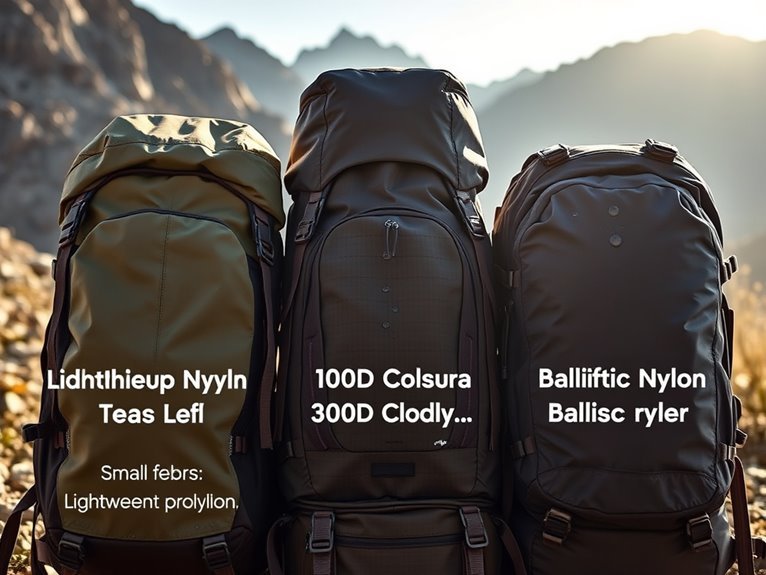
Anyone who's shopped for a backpack has likely encountered denier ratings, those mysterious numbers that tell us how tough a bag's fabric really is. Let's explore how these ratings affect durability and strength.
When we're looking at backpack materials, whether it's nylon, polyester, or specialized fabrics like ripstop and ballistic, the denier number matters.
Understanding denier ratings is key when choosing fabrics for your backpack, from basic nylon to high-performance ballistic materials.
Here's what different denier ratings mean for your pack:
- 200-400D: Light daily use, perfect for school or office
- 600-800D: Sweet spot for most hiking and travel needs
- 1000-1200D: Ultimate strength for serious outdoor adventures
Higher denier means better abrasion resistance and overall durability, but it also means more weight. We'll want to balance our need for toughness with keeping our pack light enough to carry comfortably.
Waterproofing Technologies and Coatings
Beyond the strength of your backpack's fabric, keeping your gear dry can make or break an adventure. We'll show you the latest waterproofing technologies that'll protect your equipment from unexpected downpours and stream crossings.
PU coating offers excellent breathability while keeping water out, but TPU coating takes it up a notch with superior abrasion resistance. When you're looking for ultimate protection, seek out backpacks with waterproof zippers and sealed seams – they're essential for complete waterproofing.
DWR treatments help fabrics shed water like a duck's back while maintaining breathability, and hydrophobic treatments create a water-resistant barrier without compromising your pack's moisture-wicking abilities. With these technologies working together, you'll stay confident knowing your gear remains dry no matter what Mother Nature throws at you.
High-Performance Materials for Extreme Conditions
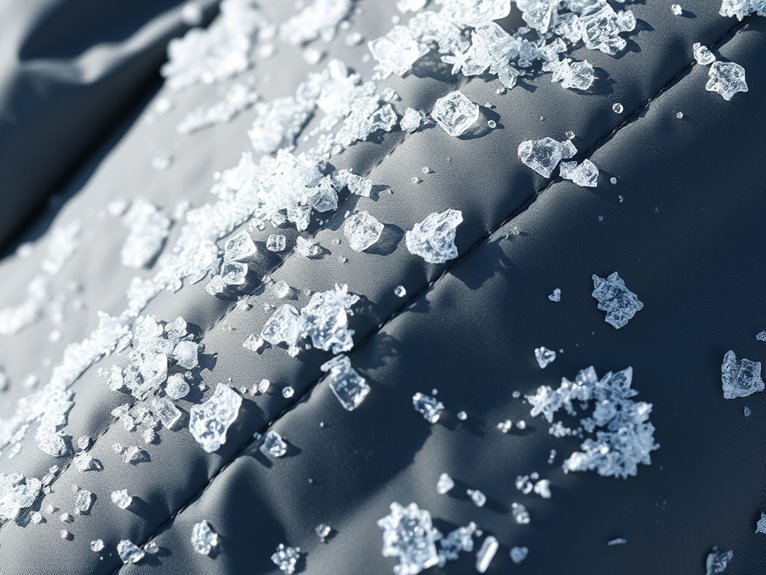
The toughest adventures demand the strongest materials, and today's high-performance backpacks deliver with five incredible fabric technologies. We'll explore how these materials keep your gear safe in extreme conditions, from rocky mountain trails to wet weather challenges.
When you're pushing your limits in the outdoors, you want materials that won't let you down. Here's what makes these fabrics amazing:
- Kevlar's cut-resistant strength makes your pack nearly indestructible
- Ultra-light Dyneema lets you move fast without sacrificing durability
- Cordura handles rough treatment while staying scuff-free
We're also seeing great results with Ripstop nylon, which stops tears in their tracks. When combined with waterproof breathable coatings, these materials create backpacks that'll keep up with your wildest adventures.
Sustainable and Eco-Friendly Pack Options
Modern adventurers seeking eco-friendly gear will love today's sustainable backpack options. We're seeing incredible innovations in eco-friendly fabrics that don't compromise on durability. Recycled polyester (rPET) from plastic bottles and recycled nylon from fishing nets are leading the charge in sustainable materials that maintain excellent strength-to-weight ratios.
| Material | Key Benefits |
|---|---|
| rPET | Water-resistant, durable |
| Recycled Nylon | High strength, lightweight |
| Hemp | UV-resistant, naturally renewable |
| Organic Cotton | Biodegradable, chemical-free |
| Eco Blends | Combined material benefits |
Natural fibers like hemp and organic cotton round out our sustainable choices, offering impressive durability while reducing environmental impact. These materials aren't just good for the planet – they're proving themselves worthy companions on the trail.
Care and Maintenance for Extended Lifespan
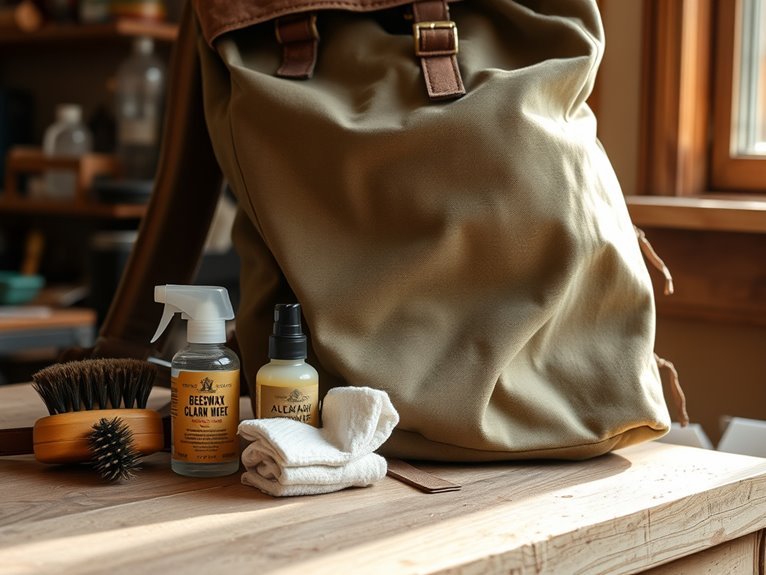
Investing in sustainable gear is only part of the equation – proper care and maintenance will help your backpack last for years of adventures. Let's keep your durable pack in top shape with some simple but effective care tips.
We'll want to hand wash or spot clean your pack with mild soap when it gets dirty, avoiding the washing machine which can damage the material. To maintain your pack's weather protection, remember to:
- Reapply water-resistant coatings with a fabric sealant or reproofing spray
- Store your pack in a cool, dry place away from direct sunlight
- Regularly check zippers, buckles, and hardware for wear and tear
These straightforward steps will extend your pack's lifespan, keeping you ready for whatever trail calls your name.
Frequently Asked Questions
What Is the Best Material for Hiking Backpacks?
We'll get the most from ripstop nylon or Cordura with weatherproof coatings and water-resistant zippers – they're lightweight, tear-resistant, and breathable while offering superior abrasion resistance for our hiking adventures.
What Is the Longest Lasting Backpack Material?
We've found Kevlar's exceptional abrasion and tear resistance makes it the longest-lasting backpack material, offering multi-purpose functionality and impact protection while surpassing other fabrics in durability and strength.
What Is the Most Durable Material for Bags?
While we'd love to say it's leather or canvas, Kevlar and Dyneema lead the pack with unmatched tear resistance, followed by Cordura's abrasion-proof construction and ripstop's weatherproof technology.
How Many Years Should a Backpack Last?
We'll typically get 5-10 years from a well-maintained backpack, but with proper care, storage, and repairs, we can extend that lifespan to 15+ years despite regular usage and terrain challenges.
Conclusion
The world of backpack materials can seem overwhelming at first, but it boils down to picking what works for your adventures. From tough nylon to ultralight Dyneema, each material has its sweet spot on the trail. While no backpack lasts forever, knowing your materials means you can choose gear that won't quit when you need it most. Take what you've learned here, check out different packs in person, and match them to your hiking style. Your perfect pack is out there – now get out and find it!