Let’s face the elephant in the room: our beloved backpacks are often environmental nightmares. We’re seeing a revolution in eco-friendly materials that’s transforming how we carry our daily essentials. From recycled PET polyester that gives plastic bottles new life to hemp fabrics that practically grow themselves, sustainable options are redefining performance and responsibility. There’s more to this materials evolution than meets the eye – and it’s changing everything we thought we knew about gear.
Recycled PET Polyester: From Plastic Bottles to Performance Fabric
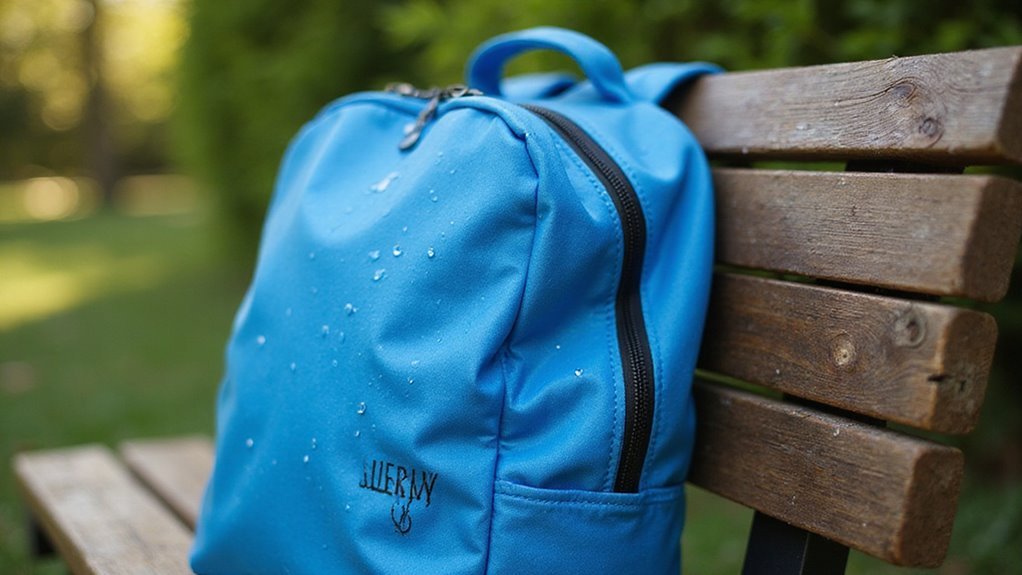
While plastic bottles have long been environmental villains, they’re now being transformed into high-performance backpack materials through an ingenious recycling process.
We’ve cracked the code on turning trash into treasure – recycled polyester emerges from cleaned, shredded, and melted plastic bottles, spun into performance fabric that’s both lightweight and high-quality.
Here’s what’s revolutionary: this sustainable material slashes energy use by 50%, water consumption by 20%, and air pollution by 60%.
We’re not just creating eco-friendly fabric; we’re pioneering sustainable practices that prove environmental impact doesn’t mean sacrificing performance. This innovative approach aligns with circular economy principles, ensuring that every backpack contributes positively to the environment.
It’s a win-win transformation that’s redefining how we think about sustainable materials.
Hemp and Organic Cotton: Natural Fiber Solutions
When it comes to natural fiber solutions, hemp and organic cotton are revolutionizing sustainable backpack design.
These eco-friendly materials pack a serious environmental punch while delivering exceptional performance.
- Hemp grows fast, guzzles CO2, and needs minimal water – it’s nature’s sustainability champion
- Organic cotton eliminates chemical runoff, using 71% less water than conventional cotton
- Both fibers are fully biodegradable, reducing long-term environmental impact
- Hemp’s legendary durability means these backpacks last longer, period
We’re seeing a surge in these natural fibers because they solve multiple problems: resource consumption, chemical pollution, and waste – all while creating tough, reliable gear that gets the job done.
Sustainable Nylon Alternatives and Bio-Based Materials
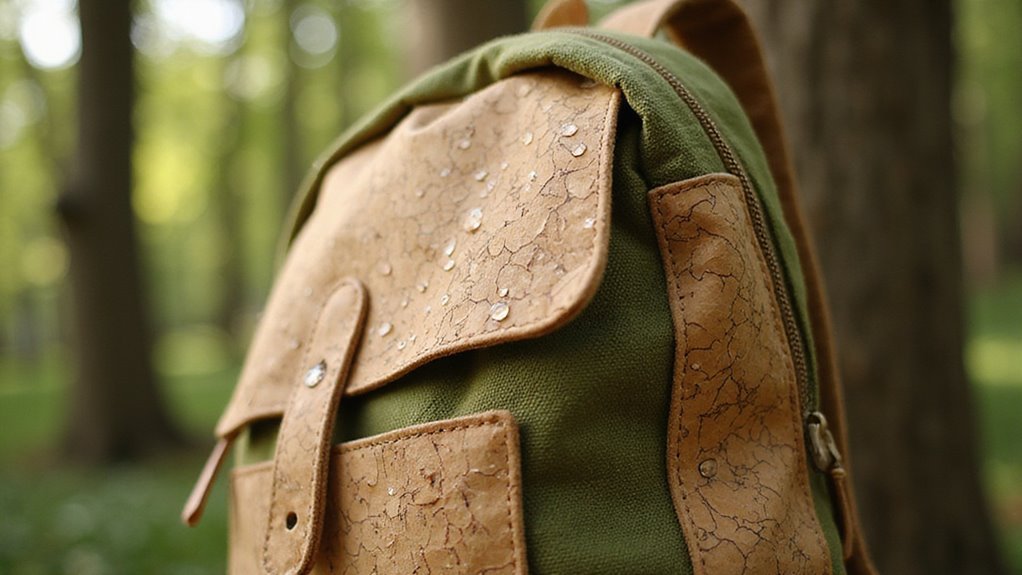
Though traditional nylon dominated backpack manufacturing for decades, sustainable alternatives are now revolutionizing the industry.
We’re seeing remarkable innovations in recycled nylon, which transforms fishing nets and fabric scraps into durable materials. Bio-based materials like bio-PE from sugarcane and castor beans offer a lower carbon footprint than synthetic fibers.
Want proof it’s legit? Look for Global Recycled Standard and OEKO-TEX certifications. These guarantee environmentally friendly production processes.
We’re particularly excited about biodegradable options like banana fibers – they’re strong, sustainable, and completely renewable resources.
The future of backpacks isn’t just green; it’s smarter than ever.
Water-Resistant Coatings and Eco-Friendly Treatments
Since traditional waterproofing chemicals have wreaked havoc on our environment, we’re leading the charge with next-gen eco-friendly coatings.
Our sustainable backpacks now feature PFAS-free durable water repellent and plant-based treatments that deliver superior moisture protection while slashing chemical use.
- Advanced eco-friendly treatments maintain breathability while repelling water
- Biodegradable coatings reduce reliance on harmful synthetic materials
- Innovative water-resistant coatings minimize washing frequency, saving resources
- Plant-based solutions provide robust protection without environmental damage
These revolutionary treatments prove we don’t need toxic chemicals for premium performance.
Environmental responsibility meets practical functionality – that’s smart design evolution.
Biodegradable Hardware and Closures

As traditional plastic hardware continues polluting our landfills, we’re revolutionizing backpack design with cutting-edge biodegradable components. These plant-based materials decompose naturally in composting conditions, offering a sustainable alternative to conventional plastics.
| Component | Traditional | Biodegradable | Decomposition Time |
|---|---|---|---|
| Buckles | Plastic | PLA | 6-24 months |
| Clasps | Nylon | Hemp-based | 3-12 months |
| Zippers | Metal/Plastic | Plant-composite | 12-36 months |
| Fasteners | Polyester | Cornstarch-derived | 6-18 months |
We’re driving the circular economy forward by integrating these eco-friendly closures. They’re designed for environmentally conscious consumers who demand complete product sustainability – from fabric to hardware.
Upcycled Industrial Materials and Innovation
While traditional manufacturing churns out endless virgin materials, we’re revolutionizing backpack design through smart upcycling of industrial remnants.
Our innovative brands transform discarded materials into extraordinary carriers, slashing environmental impact and carbon footprint.
- Old truck tarps become weather-resistant backpacks
- Discarded sails transform into lightweight daypacks
- Used seatbelts create indestructible straps
- Excess fabric yields unique aesthetic patterns
Ethical Manufacturing Processes and Material Certification
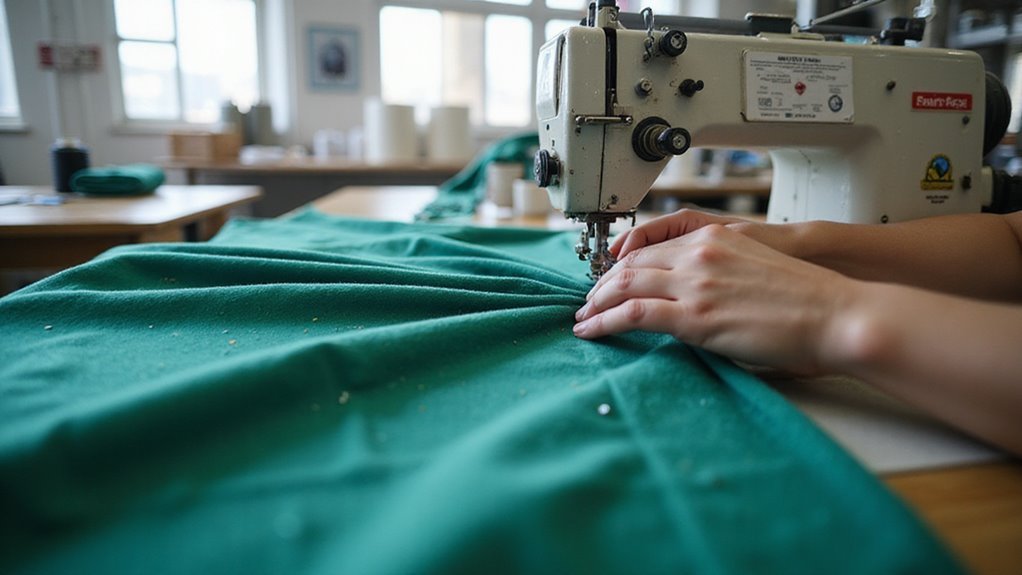
When it comes to ethical manufacturing, we’re not messing around.
We’re talking 100% recycled polyester from plastic bottles, audited factories that meet Fair Trade standards, and sustainable materials certified by GOTS and GRS. No greenwashing here.
Our supply chains? Transparent as glass.
We’re tracking every component through rigorous supplier audits. These factories aren’t just churning out backpacks – they’re powered by renewable energy to slash that carbon footprint. Trust us, we’ve done the homework.
Every certification matters because you deserve to know your backpack isn’t costing the Earth or exploiting workers.
That’s ethical manufacturing done right.
Frequently Asked Questions
What Backpack Material Is Eco-Friendly?
We’ve found sustainable fabrics like recycled plastics, organic cotton, hemp fibers, and bamboo textiles make excellent eco-friendly backpack materials. Many eco-conscious brands also use biodegradable materials and low-impact dyes.
What Is the Most Eco-Friendly Bag Material?
With recycled polyester saving 50% energy versus virgin materials, we’d say it’s the most eco-friendly choice. It combines sustainable fabrics with recycled plastics to create durable, minimal waste products.
What Natural Resources Are Used to Make a Backpack?
We use bamboo fibers, organic cotton, hemp fabric, and cork leather for eco-friendly backpacks. Natural rubber, Tencel fibers, recycled polyester, jute, organic canvas, and sisal complete our sustainable options.
What Material Is More Eco-Friendly?
We recommend sustainable fabrics like organic cotton, hemp textiles, and recycled plastics for minimal carbon footprint. These biodegradable options from eco-conscious brands support waste reduction and ethical sourcing through renewable resources.